When it comes to professional portraits, many people wonder how to choose my best side posing for a headshot. The subtle angle of your face can dramatically change how confident, natural, and flattering a photo appears. A well-composed headshot isn’t just about lighting or wardrobe; it’s also about how you position your face, shoulders, and posture. Learning to identify your most flattering angle and pose naturally helps you create an image that feels authentic and polished.
Whether you’re preparing for a corporate profile, actor portfolio, personal brand photo, or LinkedIn update, knowing how to present your best side can make an enormous difference. The aim is not perfection but finding the posture and angle that highlight your features while still looking relaxed and approachable.
Why Your “Best Side” Matters in Headshot Photography
Most people naturally prefer one side of their face over the other. This preference often comes from small differences in facial symmetry, lighting response, or personal confidence. In headshot photography, even a slight angle can influence how the jawline, cheekbones, and eyes appear in the final image.
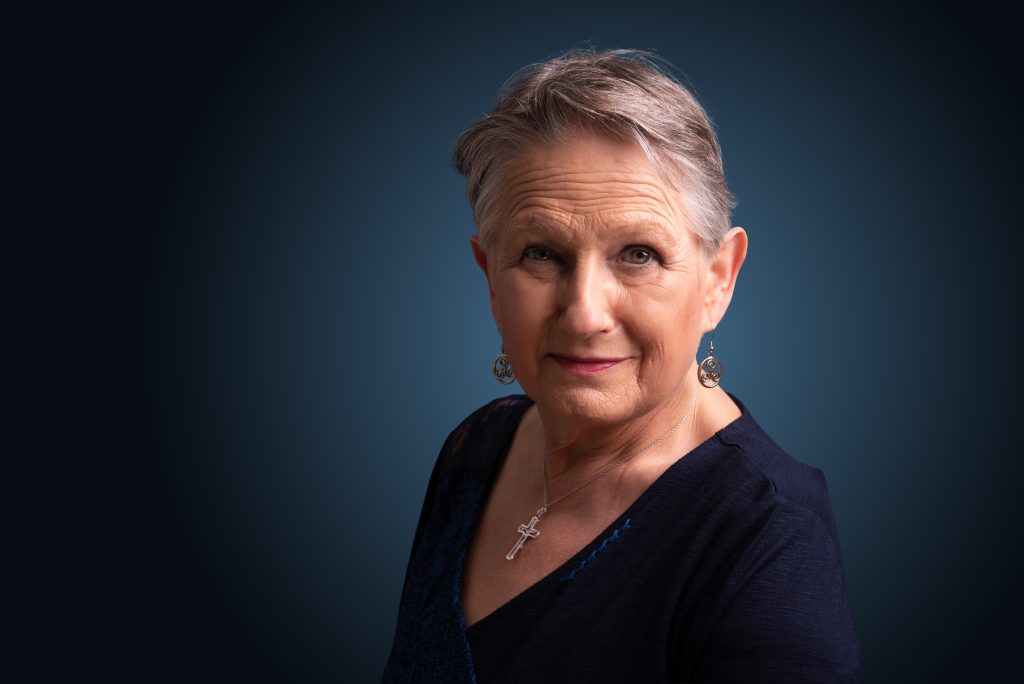
A full front-facing pose can sometimes look stiff or flat, while turning slightly toward one side of the camera adds depth and dimension. Tilting or angling your face allows light to contour your features, producing a more professional and engaging photograph.
Professional photographers often guide clients into small adjustments throughout a session. These subtle changes help determine which side photographs best and which angles create the most balanced and flattering result.
How to Discover Your Best Side Before Your Headshot Session
Choosing your best side rarely requires complicated preparation. Most people can discover their preferred viewing angle with a few quick tests in front of a mirror or smartphone camera.
Stand facing a mirror and slowly turn your head slightly left and right. Notice how your cheekbones, eyes, and smile appear at different angles. One side typically feels more natural or balanced. Take a few selfie photos from both sides to compare how your features look.
When evaluating your photos, look for these small details:
- Which side creates a stronger jawline
- Which angle makes your eyes appear more open and expressive
- Which pose feels the most relaxed rather than forced
- Which side balances facial features more evenly
If both sides look good, that’s excellent. Many people can comfortably pose either way, giving their photographer more flexibility during the shoot.
Natural Headshot Posing Techniques
Turn the Shoulders Slightly
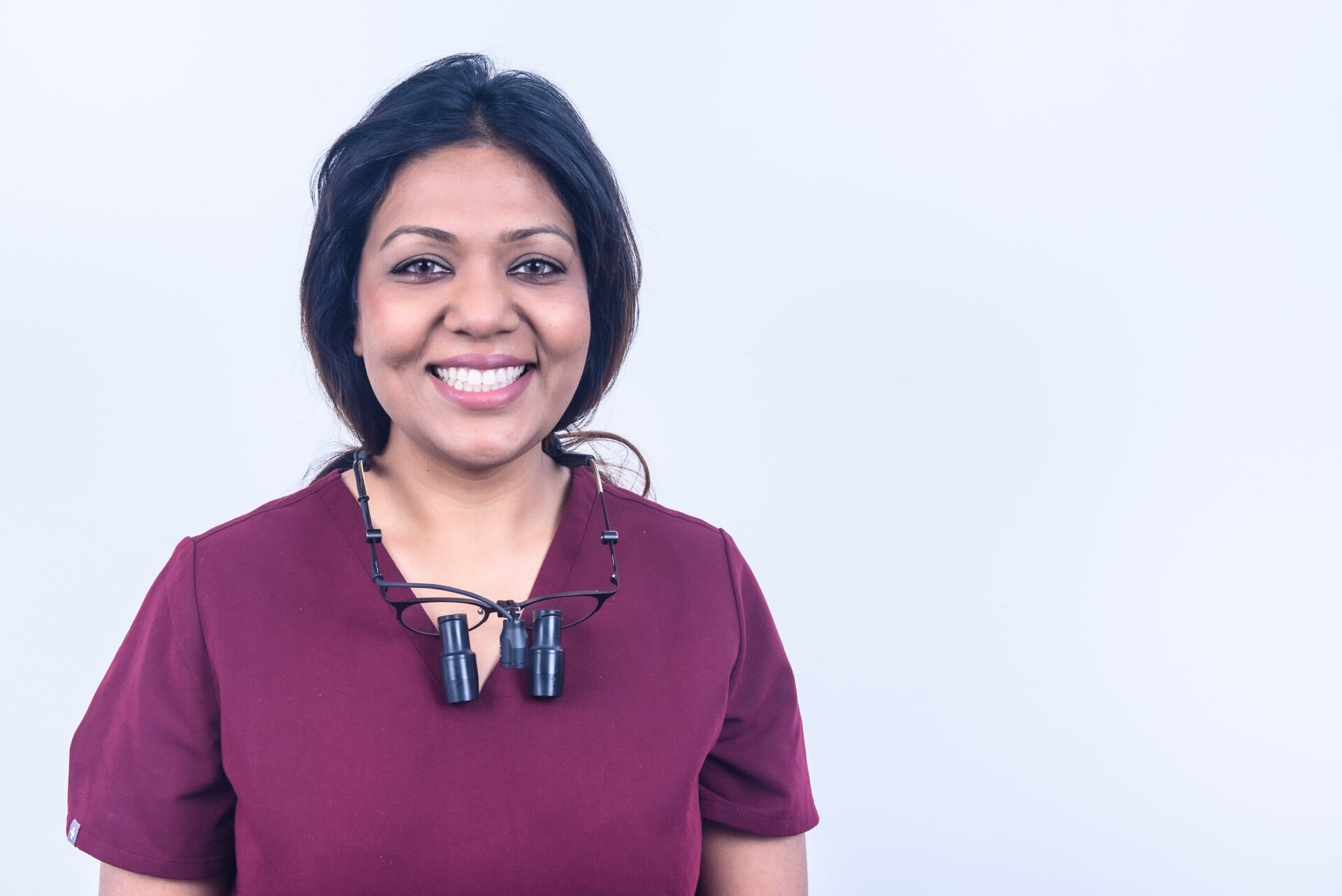
Instead of facing the camera squarely, angle your shoulders slightly away from the lens while turning your head back toward the camera. This simple adjustment creates a more dynamic composition and prevents the portrait from appearing rigid or overly formal.
This technique also helps define the neckline and jawline, which adds subtle structure to the portrait.
Shift Your Chin Position
The position of your chin greatly affects how your face looks on camera. Many photographers suggest lowering the chin just slightly and pushing it forward a touch. This helps define the jawline while avoiding the appearance of a double chin.
Small movements matter here. Even a slight tilt can transform the overall feel of the portrait.
Relax Your Expression
Tension tends to show immediately in headshots. Relax your shoulders, take a slow breath, and allow your expression to feel natural. A soft, confident smile or a neutral professional expression usually looks best.
Think about something positive or imagine speaking to someone you trust. This helps create authentic eye engagement rather than a forced smile.
Working With a Professional Headshot Photographer
A skilled photographer understands that most people feel unsure in front of the camera. One of their key jobs is guiding clients toward natural poses and identifying the angles that work best for each face. A professional headshot photographer will often start with simple positions and then adjust posture, chin angle, and shoulder direction step by step.
During a session, photographers also monitor how lighting interacts with your facial structure. Sometimes your preferred “best side” may shift depending on lighting direction or background composition. An experienced photographer notices these details quickly and guides you accordingly.
The goal is always to capture an image that reflects your personality and professionalism rather than a pose that looks overly staged.
Mistakes to Avoid When Choosing Your Best Side
While finding your best angle is helpful, overthinking the process can sometimes lead to stiff or unnatural poses. The best headshots often come from subtle movement rather than holding a fixed position.
Common posing mistakes include:
- Turning too far away from the camera
- Lifting the chin too high
- Tilting the head excessively
- Forcing an unnatural smile
- Locking your shoulders into a rigid posture
The most effective poses feel relaxed and balanced. Small angles typically produce the most flattering and professional results.
Confidence Is the Real “Best Side”
Although angles and lighting help create a flattering portrait, confidence is the true key to a strong headshot. When you feel comfortable and engaged, it shows clearly in your eyes and posture.
Practicing a few natural poses before your session can help reduce nerves. Spend a few minutes testing facial angles, soft smiles, and relaxed expressions so that stepping in front of the camera feels familiar.
Ultimately, the concept behind choosing your best side posing for a headshot is about subtlety. A slight turn of the shoulders, a gentle tilt of the chin, and a relaxed expression combine to create a portrait that feels confident, approachable, and professional.
With the right guidance and a little self-awareness, anyone can find their best angle and look natural in front of the lens. When those elements come together, your headshot becomes more than just a photo—it becomes a genuine representation of who you are.